




Hematology
Hematologists help guide overall HHT care and ensure patients receive appropriate screening and referrals to specialists within our team. They manage anemia by providing iron therapy or transfusions when needed. In some cases, hematologists may also recommend medications to help prevent bleeding, such as drugs that support clotting or reduce abnormal blood vessel growth.


Interventional Radiology
Interventional radiologists help diagnose and treat abnormal blood vessels throughout the body using minimally invasive procedures. These procedures can help prevent serious complications like bleeding, stroke, or heart failure in patients with HHT.



Stephanie Sobrepera, MD
Adult and Pediatric Interventional Radiology
learn more
The first card title goes here
Text goes here. Double-click the arrows to set the links for each card.
learn moreThe second card title goes here
Try to keep text short so visitors can quickly scan these cards.
learn more


Avik Som, MD, PhD
Interventional Radiology; Associate Director, UW, HHT
learn moreThe first card title goes here
Text goes here. Double-click the arrows to set the links for each card.
learn moreThe second card title goes here
Try to keep text short so visitors can quickly scan these cards.
learn more
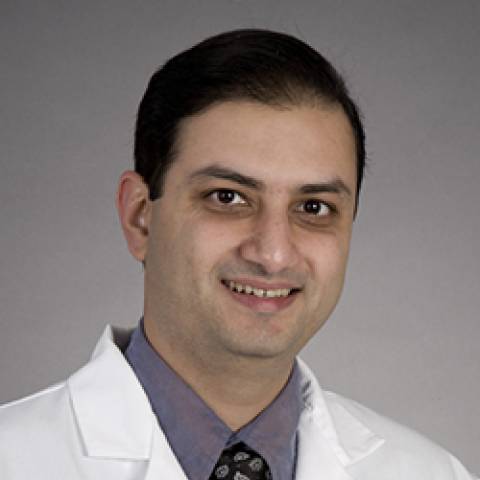
Sandeep Vaidya, MBBS
Interventional Radiology; Neurointerventional Radiology
learn moreThe first card title goes here
Text goes here. Double-click the arrows to set the links for each card.
learn moreThe second card title goes here
Try to keep text short so visitors can quickly scan these cards.
learn morePulmonary Medicine
Pulmonologists help care for complications of HHT including pulmonary arteriovenous malformations (AVMs), pulmonary hypertension (high blood pressure in the blood vessels of the lungs), shortness of breath, and certain forms of heart failure that can occur in people with HHT.


Demet Toprak, MD
Pediatric Pulmonary Medicine; Medical Director, Seattle Children's Pulmonary Diagnostic Lab
learn moreNeurology & Neurosurgery
Neurologists and Neurosurgeons protect brain and spinal health by diagnosing and treating the arteriovenous malformations (AVMs) associated with HHT. Using advanced imaging and minimally invasive treatment techniques, our team works to reduce the risk of bleeding, stroke, seizures, and other neurologic complications while preserving quality of life.


Cardiology
Cardiologists help HHT patients to manage HHT associated cardiovascular symptoms such as heart failure, pulmonary hypertension, and arrythmias like atrial fibrillation (fast, irregular heartbeat).


Dermatology
Dermatologists help patients to manage HHT symptoms of the skin, mouth, and nose. Dermatologists improve the lives of HHT patients, providing treatments to address symptoms as well as cosmetic concerns.

otolaryngology (ENT Surgery)
ENT (ear, nose, and throat) specialists help manage frequent nosebleeds, one of the most common symptoms of HHT. Our ENT team offers comprehensive care ranging from preventive strategies such as nasal humidification and topical therapies, to surgical procedures including cautery. Our goal is to reduce bleeding severity, improve quality of life, and help patients maintain daily activities safely and comfortably.

Ian Humphreys, DO
Otolaryngology; Director, rhinology division and endoscopic skull base surgery.
learn more

Waleed Abuzeid, MD
Otolaryngology
learn morThe first card title goes here
Text goes here. Double-click the arrows to set the links for each card.
learn moreThe second card title goes here
Try to keep text short so visitors can quickly scan these cards.
learn more

Oral and maxillofacial surgery (OMFS)
OMFS surgeons diagnose and treat oral telangiectasias associated with HHT. Typical treatment options include sclerotherapy, laser cautery, and surgical excision to minimize bleeding risks and improve patient quality of life.

Jasjit Dillon, MBBS, DDS, FDSRCS, FACS
Oral and Maxillofacial Surgery; UW Program Director, Harborview Chief of Service
learn more
Hepatology
Hepatologists monitor and manage liver involvement in HHT, including liver arteriovenous malformations (AVMs). They provide specialized testing and imaging, and in rare cases, may evaluate patients for liver transplant as part of comprehensive HHT care.

Gastroenterology
Gastroenterologists help manage bleeding from telangiectasias (small abnormal blood vessels) in the stomach or intestines, which can cause anemia in people with HHT. They use endoscopy and other tools to find and treat these areas to reduce bleeding and improve iron levels.


Medical Genetics
At UW, medical geneticists provide genetic counseling and testing to help diagnose HHT and understand its inheritance. They work with patients and families to explain genetic risks and help guide decisions about screening and family planning.

Kathleen A. Leppig, MD
Medical Genetics; Director, Division of Medical Genetics, Fred Hutch

The first card title goes here
Text goes here. Double-click the arrows to set the links for each card.
learn moreThe second card title goes here
Try to keep text short so visitors can quickly scan these cards.
learn moreThe third card title goes here
You can highlight and delete any cards you do not need.
learn moreThe first card title goes here
Text goes here. Double-click the arrows to set the links for each card.
learn moreThe second card title goes here
Try to keep text short so visitors can quickly scan these cards.
learn moreThe third card title goes here
You can highlight and delete any cards you do not need.
learn moreThe first card title goes here
Text goes here. Double-click the arrows to set the links for each card.
learn moreThe second card title goes here
Try to keep text short so visitors can quickly scan these cards.
learn moreThe third card title goes here
You can highlight and delete any cards you do not need.
learn moreThe first card title goes here
Text goes here. Double-click the arrows to set the links for each card.
learn moreThe second card title goes here
Try to keep text short so visitors can quickly scan these cards.
learn more

Obstetrics & gynecology (OB/GYN)
HHT patients require extra diligence in their prenatal care due to their increased risk of pulmonary hypertension and anemia. At UW, our OB/GYNs are specially trained in managing high risk pregnancy to optimize patient outcomes.


Pediatrics
We are proud to offer HHT care across the age spectrum. A list of providers from the above specialties who see pediatric patients follows below, along with a link to Seattle Children's Hospital's own website.








Zoe Nelson
Pediatric Genetic Counselor